THE BOSS PROGRAM
The BOSS Program is a yearlong, project-based Career and Technical Education (CTE) course that gives students a practical, hands-on introduction to business, marketing, entrepreneurship, culinary and retail operations, financial literacy, and workforce readiness. Designed for 10th graders, BOSS serves as a structured “first step” into the world of work and a Launchpad into advanced CTE pathways.
Throughout the year, students complete four major projects, each modeled after real-world business challenges. These units build progressively, guiding students from self-discovery to business creation while strengthening communication, teamwork, professionalism, and the employability skills outlined in the Employability Skills Framework 2.0 (ESF 2.0).
Unit 1: The Personal Branding Project
Students begin by exploring their strengths, interests, and emerging professional identities. They complete workforce skills assessments, register in the state workforce portal, build their first résumé, and create a personal pitch video. Through recorded interviews and guided reflection, students begin developing professional communication skills and learn how personal image, digital presence, and self-awareness shape their path in the workplace.
Focus Areas: Workforce development, communication skills, résumé building, A/V technology, digital citizenship.
Unit 2: The Food Truck Project
Students form teams and operate as marketing firms developing a full branding campaign for an original food truck concept. They research local demographics, design menus, create logos and visual branding, and build an online presence. Students also earn certifications like ServSafe Food Handler, ServSafe Allergens, and OSHA-10 as they’re introduced to food service operations and workplace safety. The unit culminates in a professional pitch to community and industry representatives.
Focus Areas: Marketing, design thinking, culinary basics, teamwork, industry certifications.
Unit 3: The Franchise Project
Students shift into the fundamentals of business formation and operations by launching a simulated franchise restaurant. Working as partners, they explore business entities, contracts, payroll, labor law, accounting, lending, and financial management. They draft formation documents, complete mock SBA 7(a) franchise loan applications, conduct hiring simulations, and complete the NRF Customer Service & Sales certification. The unit ends with a financial and operational analysis of their franchise performance.
Focus Areas: Business operations, financial literacy, accounting, management, customer service.
Unit 4: The Airport Concession Project (Capstone)
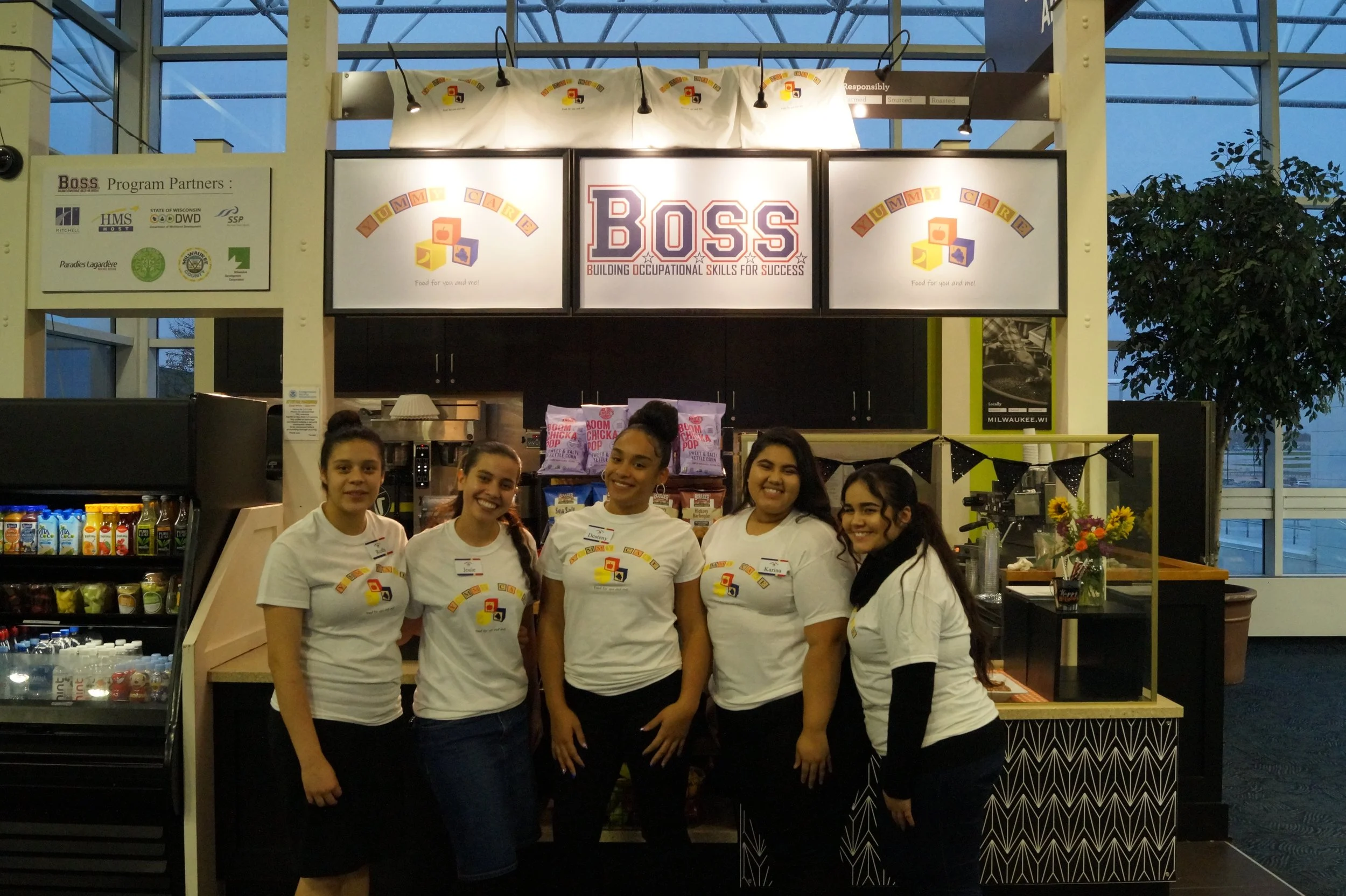
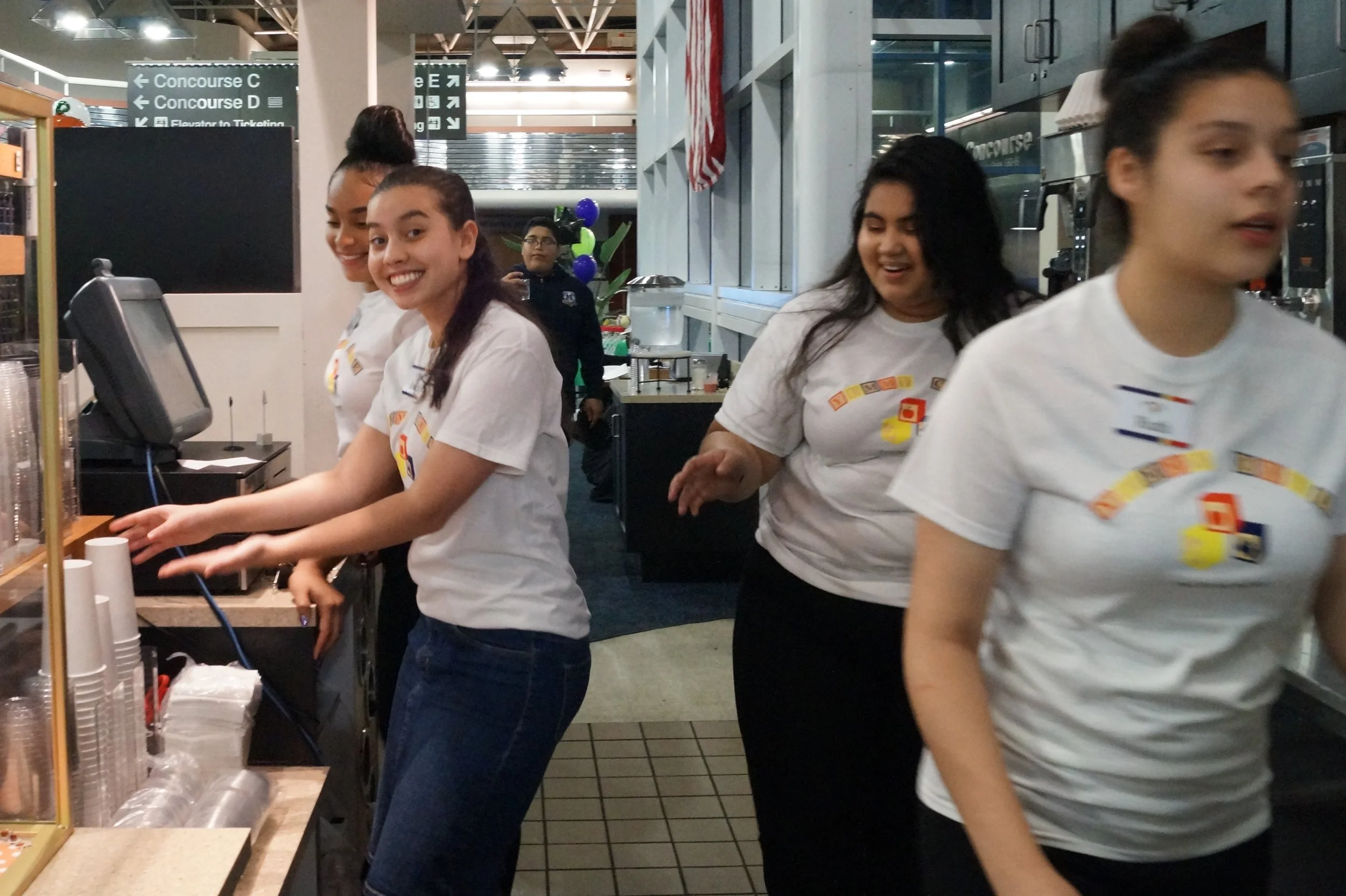
The final unit expands student understanding into the retail sector. After completing the NRF RISE Up Retail Industry Fundamentals certification, teams design an original concession concept for their local airport, analyzing traveler profiles, traffic flows, and the existing concession mix. Students produce a full business plan—including branding, staffing, operations, pricing structures, and projected margins—and pitch their concept to airport and industry professionals.
Focus Areas: Retail operations, entrepreneurship, business planning, presentation skills.
A Cohesive Pathway to Jobs, Skills, and Opportunity
Across all four units, BOSS integrates:
Industry-recognized credentials
Workforce system registration and job readiness activities
Authentic interaction with local professionals through the BOSS Network
Project-based learning and real-world decision-making
Alignment with Perkins V, ESF 2.0, and state CTE standards
By the end of the course, every BOSS student leaves with a résumé, multiple certifications, a portfolio of professional projects, and direct exposure to employers—fully prepared for their first job and ready to pursue advanced CTE pathways in business, marketing, culinary arts, entrepreneurship, A/V technology, or retail operations.